Canistel Grafted - Ladybird Nursery
Skip to product information
1 of 1

Canistel Grafted

Canistel Grafted

Regular price $89
Regular price Sale price $89
Sale
Taxes included. Shipping calculated at checkout.

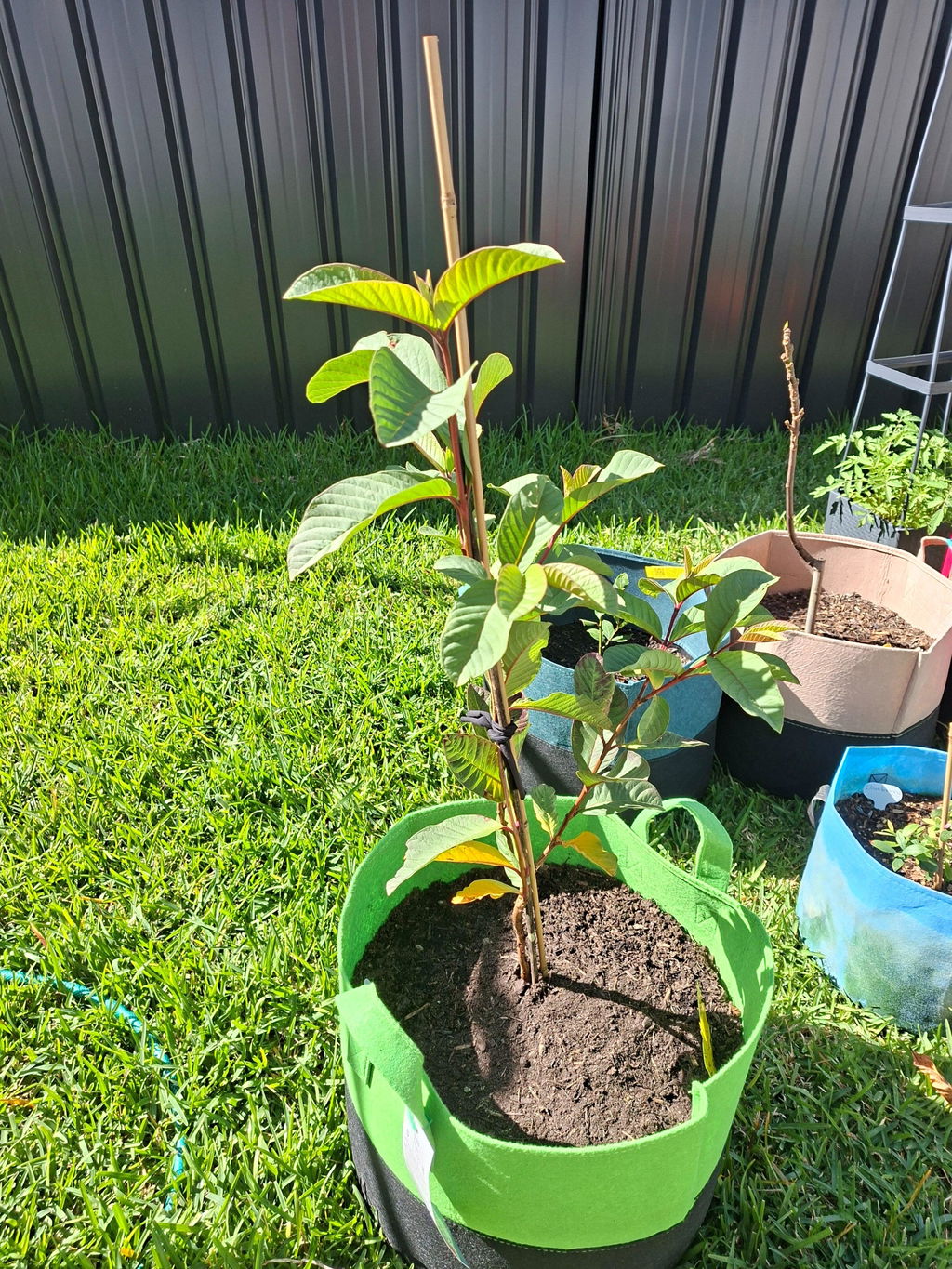
Canistel, also known as Pouteria campechiana or the Eggfruit, is a tropical fruit tree native to Central America and the Yucatan Peninsula. A grafted Canistel refers to a tree that has been propagated through grafting, ensuring earlier fruit production and superior quality compared to seed-grown varieties.

Key Information:

  • Botanical Name: Pouteria campechiana
  • Common Names: Canistel, Eggfruit, Yellow Sapote
  • Family: Sapotaceae
  • Native Range: Central America, Mexico, and the Caribbean

Description:

  • Size: Canistel trees can grow up to 8-15 meters in height, but grafted trees are often smaller and more manageable in size.
  • Leaves: The leaves are simple, oblong, and glossy green.
  • Fruits: The fruits are oval or pointed, with smooth, yellow skin. Inside, the flesh is deep yellow to orange, with a dry, custard-like texture similar to a hard-boiled egg yolk, hence the name ""Eggfruit."" The fruit is sweet and creamy, with a flavor resembling sweet potato or pumpkin.

Cultivation:

  • Soil: Prefers well-drained, slightly acidic soils but can tolerate a range of soil types including sandy or loamy soils.
  • Climate: Thrives in tropical and subtropical climates. It requires warm temperatures and is sensitive to frost.
  • Watering: Canistel trees prefer consistent moisture but are fairly drought-tolerant once established.
  • Propagation: Grafted Canistel trees are preferred as they produce fruit earlier (within 2-3 years) compared to seed-grown trees (which can take 6-8 years). Grafting also ensures better fruit quality and tree vigor.

Uses:

  • Culinary: The Canistel fruit is versatile in the kitchen. It can be eaten fresh, made into desserts like pies and ice cream, blended into smoothies, or used in custards and puddings. The rich, egg-like consistency pairs well with sweet flavors.
  • Nutritional Benefits: The fruit is rich in vitamins A and C, as well as dietary fiber. It is a healthy option for adding natural sweetness and creaminess to dishes.

Growing Tips:

  • Pruning: Regular pruning helps maintain a desirable size and shape, especially in home gardens. Prune to improve air circulation and light penetration.
  • Pests/Diseases: Canistel is relatively pest-resistant but can be affected by common tropical fruit pests like scale, mites, and aphids. Root rot can occur if the soil is poorly drained.

Special Features:

  • Grafted Trees: Grafting ensures faster fruit production, higher yields, and more uniform fruit quality. It is especially beneficial for home gardeners looking for quicker results.

Canistel is a highly rewarding fruit tree for tropical and subtropical gardeners, offering not only unique and delicious fruit but also being easy to care for once established. The grafted variety ensures quicker fruit production and higher quality fruit, making it a popular choice for home orchards and commercial growers.

Quantity
View full details

Garden Results and Growing

How to Grow Canistel Grafted

Best Climate

Subtropical, Tropical

Time to Fruit

2 to 3 years

Position

Full Sun

Height

Grows 2 to 5 meters

Evergreen

Yes

Pollination

Self-fertile

Handles Frost

Sometimes

Suitable in Pots

Yes